
How UV Light Affects Lettuce Growth and Storage
Lettuce is one of the most profitable crops for vertical farms because it grows quickly and is widely consumed. To grow lettuce successfully indoors, it's essential to carefully control the environment to optimize plant growth.
Lighting is a key part of this controlled environment. Most research has focused on using red, blue, or full-spectrum light to grow lettuce indoors. However, one often overlooked type of light is ultraviolet (UV) light. While UV light is commonly associated with sunburn and harmful effects, when used in the right amounts, it can actually benefit lettuce. UV light can improve lettuce growth, enhance its shelf life, and may even serve as a safer alternative to chlorine for decontaminating lettuce.
These findings could significantly change the way we grow, store, and consume lettuce.
UV Exposure: Outdoor vs. Indoor Growing Environments
In natural outdoor environments, plants are exposed mainly to UVA and UVB radiation. UVA rays (320–400 nm), which account for about 95% of the UV light reaching the Earth's surface, penetrate deeply and play a steady role in photoreception, influencing growth and metabolic activity. In contrast, UVB rays (280–320 nm), though making up only about 5% of UV exposure, carry more energy. They trigger the production of protective compounds such as flavonoids, which not only shield plant tissues but also enhance color, flavor, and nutritional value. UVC radiation (200–280 nm), the most energetic form, is almost entirely absorbed by the Earth's ozone layer.
Indoor growing environments, especially those relying solely on standard grow lights, often lack the beneficial UV wavelengths found in natural sunlight. However, research has shown that UV light is also crucial for optimizing plant development indoors. To address this, modern controlled environment agriculture now incorporates supplemental UV lighting. With precise control over dosage, spectrum, and timing, growers can improve crop quality while maintaining the consistency and efficiency of indoor production.
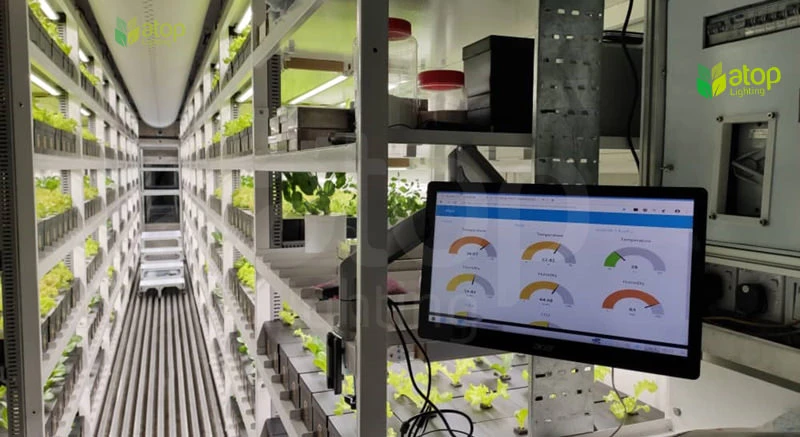
UV Light’s Impact on Indoor Lettuce Growth and Development
More and more people want fresh and healthy food, and lettuce is one of the most popular choices. Therefore, researchers are increasingly exploring the role of UV light in improving postharvest quality. Studies have shown that UV radiation can help reduce spoilage, preserve bioactive compounds, and enhance the nutritional value, flavor, and appearance of lettuce. Incorporating controlled UV lighting in indoor production systems offers a promising strategy to improve product quality and shelf life, meeting consumer expectations for fresher, more nutritious produce.
UVA and UVB Light Improve the Nutritional Value of Lettuce
Lettuce usually comes in green varieties, but there are also red types. A study by the Agricultural Research Service found that adding extra ultraviolet, or UV, light can improve the nutritional value of lettuce. However, red and green lettuce respond in different ways to UV light.
When red leaf lettuce is exposed to supplemental UVA light, it produces more healthy plant compounds, such as chlorogenic acid, luteolin-7-glu, and quercetin-3-glu. On the other hand, when green leaf lettuce is exposed to supplemental UVB light or a combination of UVA and UVB light, it increases its levels of important nutrients. These nutrients include protein, phosphorus, potassium, calcium, zinc, etc.
UVA Radiation Enhances Disinfection and Organic Matter Content
A study was conducted to investigate the effect of UVA LED light (395 nm) on the growth and disinfection of lettuce during cultivation. The research compared three different LED light treatments: a combination of white, blue, and UVA light applied intermittently; the same combination applied continuously; and a control treatment using only white and blue light. The results demonstrated that intermittent UVA treatment was the most effective, achieving a 99.90% disinfection rate while also enhancing the accumulation of organic matter. This was evidenced by increases in leaf area, fresh weight, and dry weight of the lettuce plants.
UVA and Blue Light Improve Lettuce Color and Nutritional Value
Research from Michigan State University shows that exposing lettuce to UVA and blue light during the final stages of growth enhances its color, making it more vibrant and visually appealing. In addition, these light treatments boost the levels of beneficial phytochemicals in the lettuce. These compounds offer several health benefits, such as antioxidant effects and potential protection against various diseases.
By adding UVA light toward the end of the growing cycle, growers can improve both the appearance and nutritional quality of their lettuce. This can result in higher market prices and greater economic returns.
Risks of Long-Term UVC Exposure
UVC light is well known for its germicidal properties. It disrupts the DNA of bacteria, viruses, and other pathogens, which prevents them from reproducing and causing illness. However, prolonged exposure to UVC can also create safety risks, especially for workers who handle UVC equipment during sterilization or disinfection processes.
What about its effects on lettuce?
Extended exposure to UVC can harm lettuce growth and development. It can cause changes in plant structure and reduce chlorophyll content. These effects include shorter plant height, lower fresh weight, and a decrease in the size of stomatal openings, which are important for gas exchange. Among the treatments tested, the most severe damage occurred after two hours of UVC exposure.
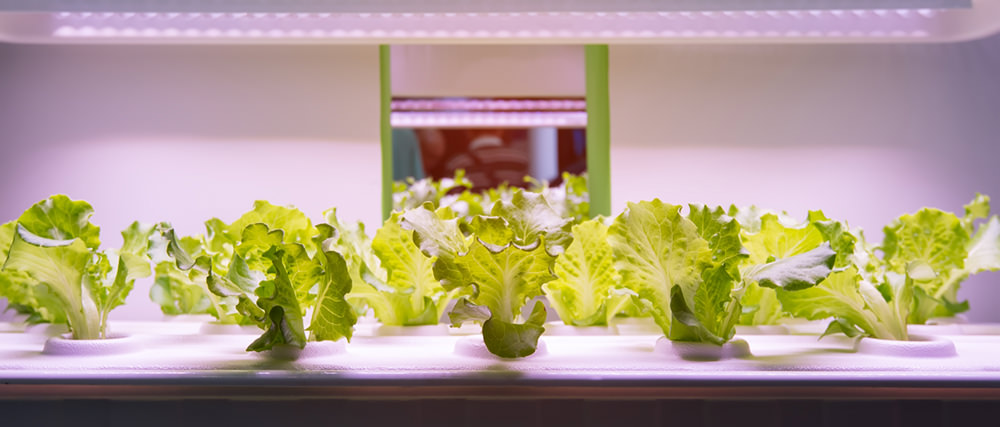
Impact of UVA and UVB Light on Lettuce Storage
Supplementing lettuce with UV light can help with disinfection, improve nutrient levels, and enhance color. This can lead to a higher market value without compromising lettuce quality. However, lettuce tends to lose nutrients and deteriorate quickly after harvest, reducing its freshness by the time it reaches consumers. Fortunately, UV light can also help extend the shelf life of lettuce during storage.
Research has studied how specific intensities and doses of UVA and UVB light affect lettuce quality during storage. The results showed that both UVA and UVB light, when applied at the right doses, can positively influence important quality traits. These include improvements in color, ascorbic acid (vitamin C) content, antioxidant activity, and total phenolic content.
Among the treatments tested, high-dose UVA light was the most effective in protecting and increasing the amount of ascorbic acid in stored lettuce.
This research suggests that using UVA and UVB light during storage can help maintain or even improve certain quality aspects of lettuce. This process can preserve its nutritional value and reduce spoilage, helping to deliver fresher produce to consumers.
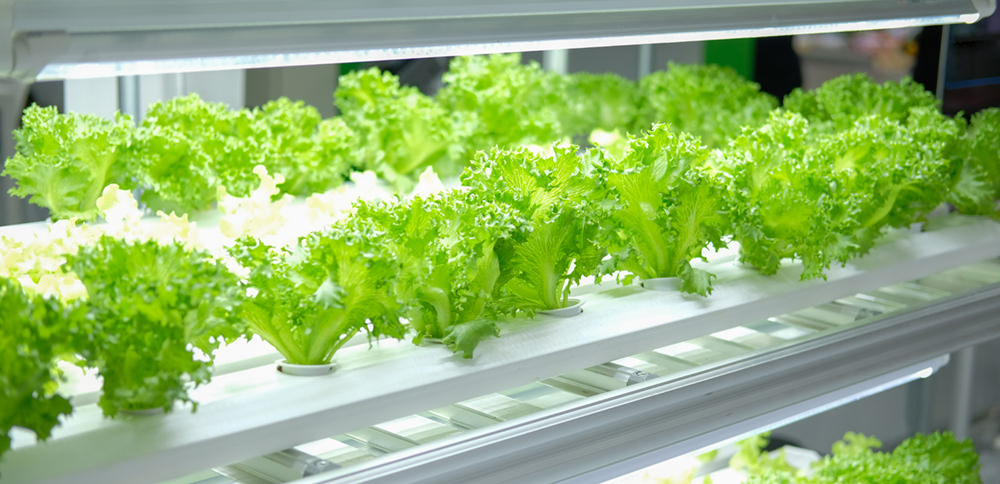
Is UV-Exposed Lettuce Safe to Eat?
Many people wonder whether UV-exposed lettuce is safe to eat. The answer is yes, when proper procedures are followed.
Consider lettuce grown outdoors. It is naturally exposed to sunlight, which contains UV radiation, and we consume it without hesitation. In response to this light, plants naturally produce protective compounds such as antioxidants and phenolic compounds, which are actually beneficial for human health. The same principle applies when UV light is used in controlled indoor environments or after harvest. The goal is to encourage the plant to produce these helpful compounds.
In addition, UV light can be part of an effective method for making lettuce safer to eat. For example, combining UV light with peracetic acid (PAA) offers a strong alternative to traditional chlorine washing. Research shows that a treatment using 30 mW/cm² of UV light along with 80 ppm of PAA is an effective and superior method for decontaminating lettuce. This approach helps reduce the risk of foodborne illness while avoiding the drawbacks of chlorine, such as the formation of harmful byproducts and the risk of cross-contamination.
The key factor is proper application. Commercial UV systems are carefully calibrated to promote beneficial plant responses without causing harm to the lettuce or leaving behind any residues. Unlike chemical treatments, UV exposure simply uses light energy, which is absorbed by the plant and converted into protective compounds.
By applying the correct dose and exposure time, growers and processors can ensure that UV-treated lettuce remains safe, nutritious, and high in quality.
At Atop, we provide UV lighting solutions to help your plants grow stronger and healthier. Whether you are looking to improve plant growth or combat powdery mildew and other fungal issues, we have the right solution for you.
If you need support with supplemental UV lighting for your projects, feel free to contact us. We are here to help.