
LED Grow Light and Detailed Vegetable Hydroponic Technology
When hydroponic plant factories use LED grow lights in their growing systems, the productivity becomes much higher than traditional agriculture planting. This is because the growth environment can be completely controlled 365 days a year, which means these farms can cultivate every day without being affected by weather and seasons. As a result, farms can supply reliable, stable, high-quality products year-round.
This mode of production has completely deviated from the agricultural practices that have been followed for centuries. What's even better is that the agricultural products don't contain any harmful substances like pesticides, herbicides, fungicides, or insecticides.
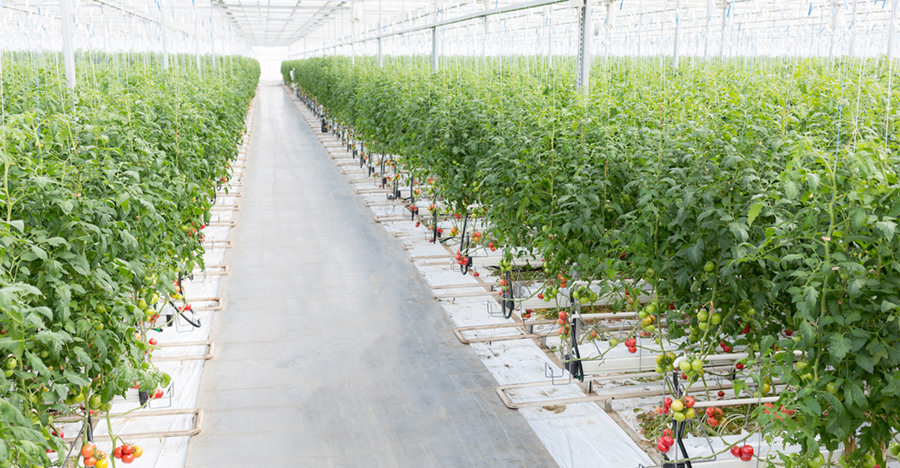
In a hydroponic factory, you'll typically see vegetable grow beds arranged neatly under LED grow lights. The mature vegetables are usually supplied to high-end restaurants and food stores in the city. Hydroponic systems are working to transform agriculture through a range of technologies, including high-efficiency lighting and growing system monitoring software.
What Is Hydroponic Technology
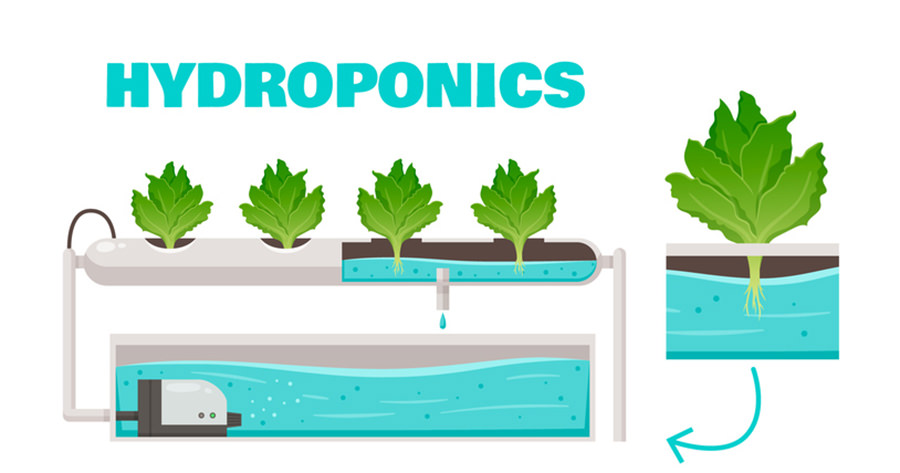
Hydroponics is a soilless cultivation method that relies on controlled physical conditions. These conditions include temperature, humidity, light intensity, and CO₂ concentration, all provided by hydroponic factories. In this system, most vegetable roots grow directly in a nutrient solution, which supplies water, nutrients, and oxygen. It's considered a relatively advanced form of soilless cultivation.
In recent years, the rise of hydroponic factories and the application of hydroponic vegetable technology have ushered in a new era of vegetable production. This cultivation method not only significantly improves the quality and yield of vegetables but also produces green, pollution-free, and fresh food that consumers widely appreciate. Promoting hydroponic vegetable technology is highly significant for the development of ecological agriculture.
The beauty of hydroponic vegetables is that they can be produced continuously, which plays an important role in addressing the short supply of local off-season vegetables. Today, hydroponic technology is becoming increasingly mature, and hydroponic farming is likely to flourish widely in the near future.
Why Hydroponics Beats Traditional Farming
Traditional vegetable cultivation techniques are easily affected by external environmental factors. During the growth process, frequent field operations and repeated fertilization have a significant negative impact on the ecological environment. The application of hydroponic vegetable technology has changed this completely.
Benefits of Growing Plants in Hydroponic Systems
- It allows for precise regulation and control of temperature, humidity, and lighting in the plant factory, helping to reduce the impact of environmental factors such as seasonal changes and climate conditions.
- It supports continuous planting, enabling multiple harvests of vegetables throughout the year.
- It eliminates many traditional farming tasks such as intertillage, soil replenishment, weeding, and soil disinfection, thereby reducing labor costs, lowering farmers’ labor intensity, and improving productivity through simpler operations.
- It shortens the growth cycle of vegetables. The crops are provided with nutrient-rich solutions that fully meet their growth requirements, allowing them to grow at an optimal rate.
- No pesticides are used, resulting in vegetables that are not only safe and pollution-free but also taste better. These high-quality, green agricultural products are highly favored by consumers.
However, there are some considerations to keep in mind. In terms of equipment, the initial investment is higher. As for artificial skills, workers need continuous learning, advancing, and growing in the later stages.
Building Your Hydroponic System: Essential Components
The Nutrient Solution Storage Tank
As an essential component of nutrient solution storage, the liquid storage tank is typically constructed from brick and cement, with a thickness of about 20 cm. To prevent leakage, waterproof materials should be applied to enhance their sealing performance. Additionally, the tank should be covered to prevent debris, trash, and other contaminants from entering and polluting the nutrient solution.
The Cultivation Trough
The cultivation trough is the primary structure in a hydroponic vegetable cultivation system. Before construction, a 5 cm thick layer of river sand should be laid at the bottom, followed by a concrete pour to create a stable foundation. The location of the trough should be as stable as possible. If the surrounding area has a soft soil foundation, reinforcement with rebar during the concrete pour is necessary. Anti-leakage materials should be applied to both the bottom and inner walls of the trough.
Planting Boards
Planting boards are usually made of polystyrene foam. Generally, the denser the material, the higher the quality of the board. The length and width of the planting board should be slightly larger than the cultivation trough. Holes should be punched in the board based on the desired planting density of the vegetables.
The Nutrient Solution Circulation System
The nutrient solution circulation system has two main functions. First, it delivers the nutrient solution to the cultivation trough through a supply device. The liquid level in the trough should not exceed 8 cm to ensure that the plant roots can effectively absorb the solution. Second, a water pump is used to draw the solution to a height above the drainage outlet. After draining, the solution flows back into the liquid storage tank, allowing for continuous circulation.
The Complete Growing Process
Starting with Seedlings
The optimal temperature for seedling cultivation is around 20°C. During this stage, a small amount of nutrient solution can be poured into the seedling tray. After that, the nutrient solution should be lightly sprayed every morning and evening to maintain moisture until germination occurs.
Shading is necessary before germination to protect the seeds, but once germination begins, light exposure should be gradually increased. When the seedlings develop 2–3 leaves, they can be transferred to the planting board for further cultivation.
The Transplanting Process
Before transplanting vegetables onto the planting board, the roots should be thoroughly cleaned with clean water, and any excess or damaged roots should be trimmed. After that, the roots should be sterilized by soaking them in a hydroponics-specific disinfectant for 15 to 20 minutes. Once sterilization is complete, rinse the roots again with clean water.
During the transplanting process, each seedling should be carefully matched with a corresponding planting hole. After the seedlings are inserted, the planting board should be placed into the cultivation trough immediately to ensure proper integration into the hydroponic system.
Daily Management Made Simple
After transplanting, daily management is quite simple. First, it's important to closely regulate and control the environmental temperature, humidity, and lighting. Second, regularly check that the nutrient solution circulation system is functioning properly. During the entire growth period, the nutrient solution tank should be replenished as needed.
The ambient temperature should be maintained between 15°C and 30°C. Humidity levels should be monitored with appropriate devices and adjusted promptly. A sunshade net should be used when necessary to protect the plants from excessive sunlight.
In hydroponic factories, the occurrence of vegetable diseases and pests is relatively low, so it's best to avoid using pesticides whenever possible.
Harvesting and System Reset
Generally, vegetables grown using hydroponic technology can be harvested. After harvesting, the planting board should be removed from the cultivation trough, and the roots and any rotten leaves of the vegetables should be cleaned off. Then, the nutrient solution should be drained from the cultivation trough. All cultivation troughs need to be thoroughly cleaned before being used again.